

Cà phê là gì? Văn Hóa Thưởng Thức Cà Phê Của Người Việt Nam
27/07/2026 - Admin
The rich flavor of Vietnamese coffee leaves a strong impression on visitors, much like the way Japanese tea culture does. Vietnamese people not only know how to enjoy coffee but also regard it as an important part of their daily life, valuing and preserving their coffee culture. In Asia, not many countries have such a distinctive coffee culture.
What is Coffee?
Coffee is a beverage made from brewing and filtering water through roasted and ground coffee beans. It has a distinctive bitter taste and aroma that helps enhance alertness and stimulate the mind. Currently, there are various types of coffee with different brewing methods, but the most common are: ground coffee, instant coffee, and coffee bags. Each type offers its unique flavor and brewing process.
Origin of Coffee
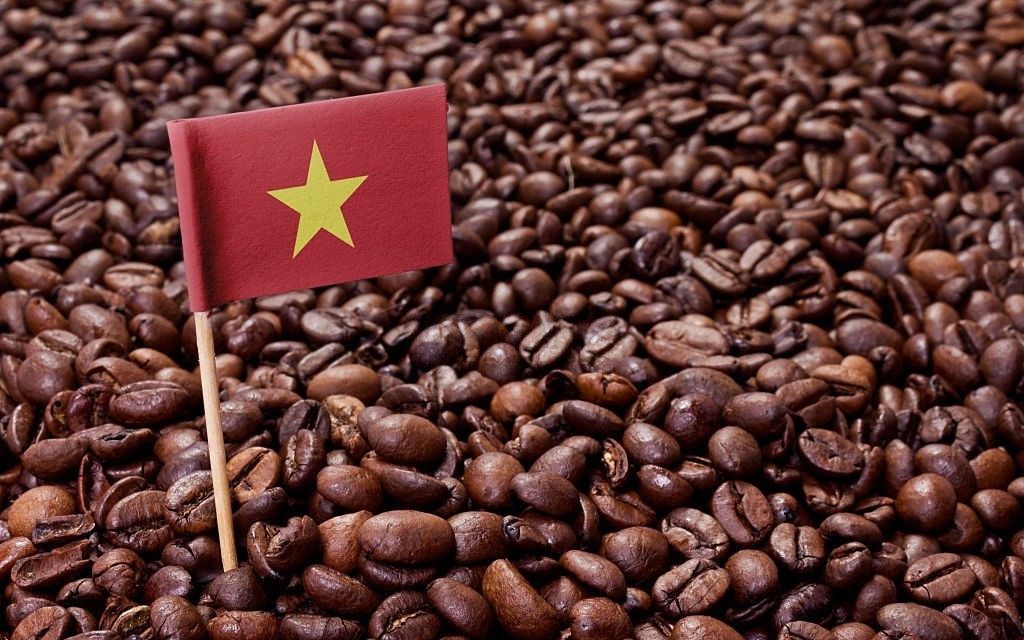
Coffee, the Vietnamese term derived from the French word "Café," is a plant that thrives in tropical climates near the equator. Countries such as Vietnam, Madagascar, and Brazil (the largest coffee exporter in the world) have ideal weather conditions for cultivating coffee.
.jpg)
Characteristics of Coffee
Coffee helps you stay alert quickly due to its caffeine content, which stimulates the nervous system. One of the standout features of coffee is its strong aroma, created by volatile compounds in the coffee beans and the roasting process. The four main compounds contributing to this aroma are:
- Pyrazine: Adds a sweet smell.
- Furan: Produces the roasted nutty aroma and earthy notes.
- Aldehyde: Provides smoky and burnt scents.
- Ketone: Contributes buttery and mushroom-like aromas.
Coffee Production in Vietnam
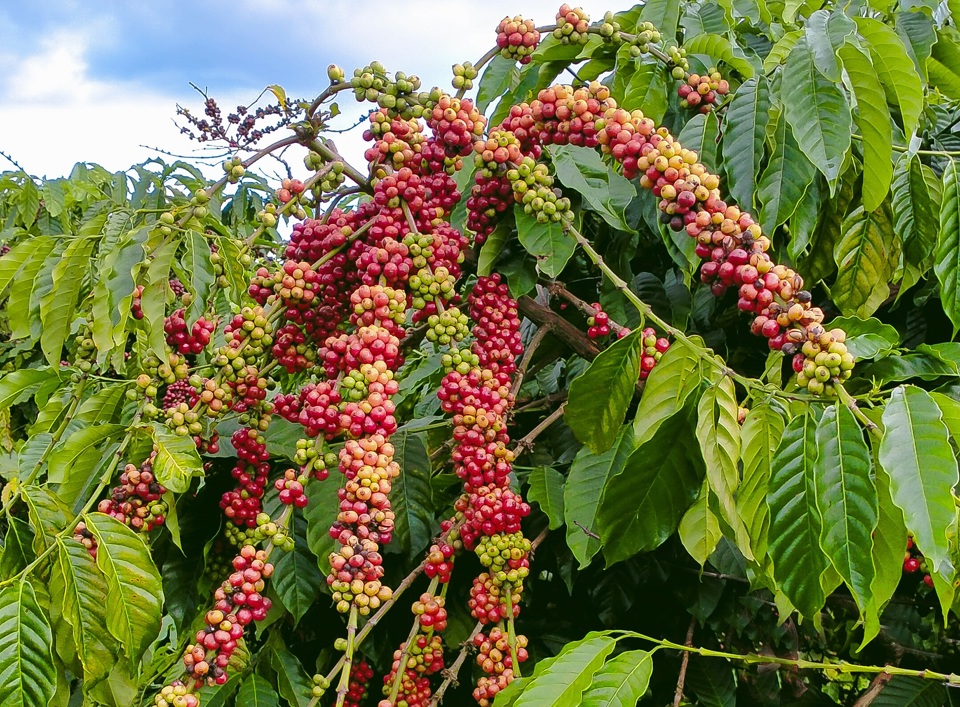
Since the early 20th century, coffee has become a significant source of income for Vietnam's economy. By the late 1990s, Vietnam had risen to become the second-largest coffee producer in the world, after Brazil. However, most of Vietnam's coffee production is primarily Robusta beans, which are of lower quality.
Recently, Vietnam has focused on improving coffee quality, particularly through the development of Arabica beans and civet coffee. Civet coffee is made from beans that are eaten and then excreted by civet cats, which are then processed. Civet coffee stands out for its unique aroma and has gained a following among coffee enthusiasts both in Vietnam and internationally.
Distinctive Features of Vietnamese Coffee Culture
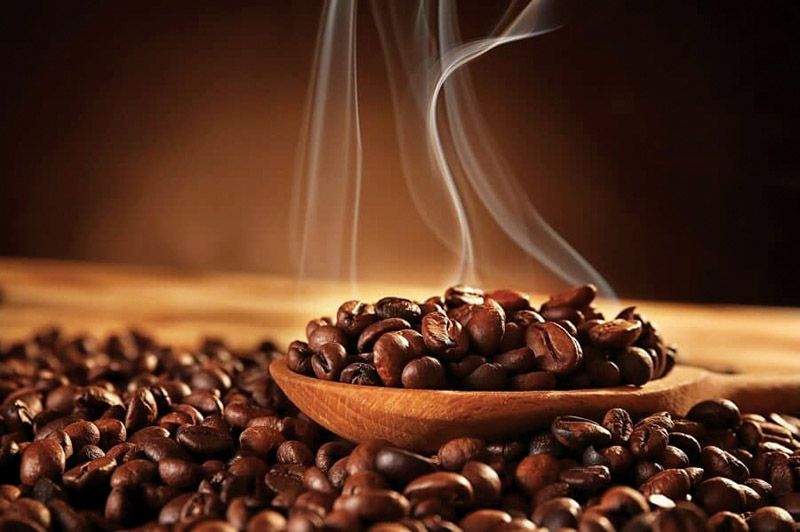
The rich flavor of coffee has become an integral part of daily life in Vietnam. Vietnamese coffee culture is reflected not only in its taste but also in the unique way people enjoy it and their distinctive style.
In Vietnam, coffee is more than just a drink to wake up the body, as it is in many other cultures. It is viewed as a cultural experience. Rather than drinking hurriedly, Vietnamese people savor each sip slowly, whether they are reading the newspaper, listening to music, chatting with friends or business partners, or simply working and reflecting on life.
With each drop of coffee, people feel more relaxed and contemplative, creating space to think about joys, sorrows, and memories. Therefore, Vietnamese coffee often avoids loud environments and focuses on tranquility and reflection.
Vietnamese Coffee Drinking Habits
Vietnamese people enjoy coffee at all times of the day—morning, noon, evening, when feeling sad, reflective, stressed, happy, needing to share, or simply out of habit. The setting in which coffee is consumed plays a crucial role in enhancing this experience.
Vietnamese coffee is typically brewed in the French style using a drip filter. This unique brewing process involves pouring hot water into the filter and waiting as the coffee slowly drips through, drop by drop. The anticipation and excitement of watching each drop fall is an essential part of the coffee experience for enthusiasts. To keep the coffee hot and flavorful, people often place their coffee cup in a bowl of hot water, which helps preserve its optimal taste.
Vietnamese people savor their coffee with a deliberate and refined approach, similar to how Scots enjoy whiskey. They often take the time to fully appreciate the flavor of the coffee, engage in conversation, or even smoke while sipping. This habit reflects a deep appreciation and connection to each moment of life.
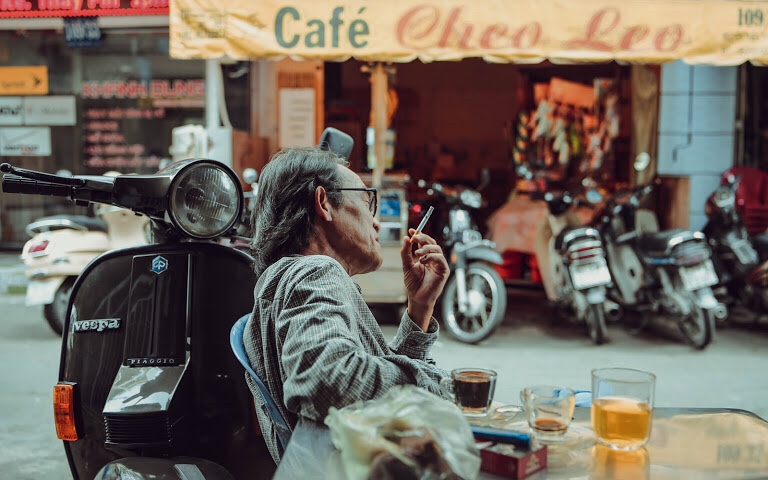
Vietnamese Coffee Tastes and Preferences
Vietnamese coffee preferences are diverse, with a general fondness for strong, bitter flavors and aromas of almond and earthiness. Depending on the region and age group, coffee drinking habits vary widely and do not follow a fixed standard.
-
Southern Vietnam: People often wrap coffee in cloth and brew it in a pot. They prefer iced coffee over hot coffee, enjoying rich, cold brews.
-
Northern Vietnam: Drip coffee is popular, with a preference for either black or brown coffee, always ensuring it is strong. Some enjoy a sweet, thick iced coffee, while others relish the experience of waiting for each drop to fall from an old drip filter or drink their coffee quickly as a jolt of energy.
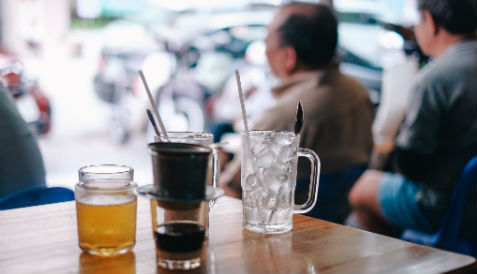
Experience Authentic Vietnamese Coffee at Soul Ben Thanh Restaurant & Bar!
If you want to savor a true Vietnamese coffee, visit Soul Ben Thanh Restaurant & Bar today!
For inquiries, please contact:
- Facebook: Soul Ben Thanh Restaurant & Bar
- Website: soulbenthanh.com
- Hotline: 082 740 0088
- Instagram: soulbenthanh.official
Address: 7A Thu Khoa Huan Street, Ben Thanh Ward, District 1, Ho Chi Minh City.